Kyushu Tourism Information [ Japan ]

Overview

Overview of Kyushu Area

The gateway to Japan and Asia, where you can enjoy the dynamics of nature and modern, urban environments

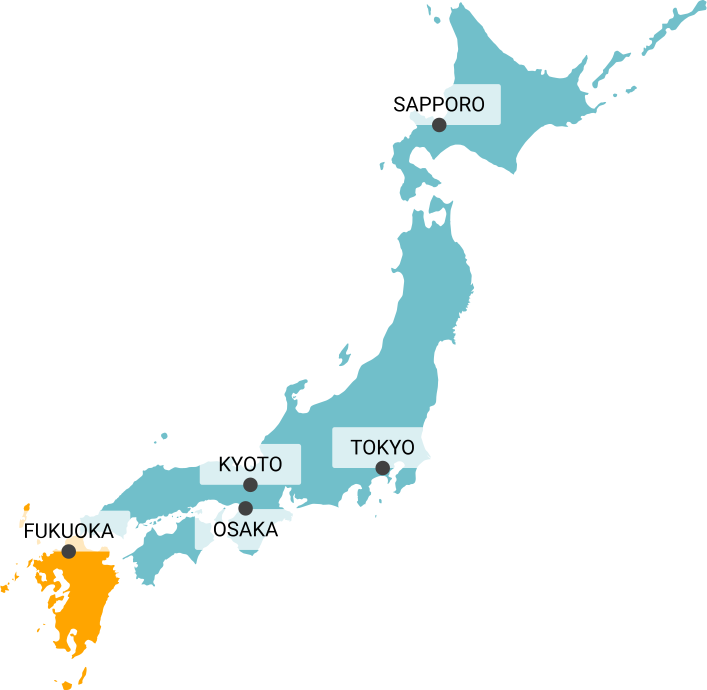
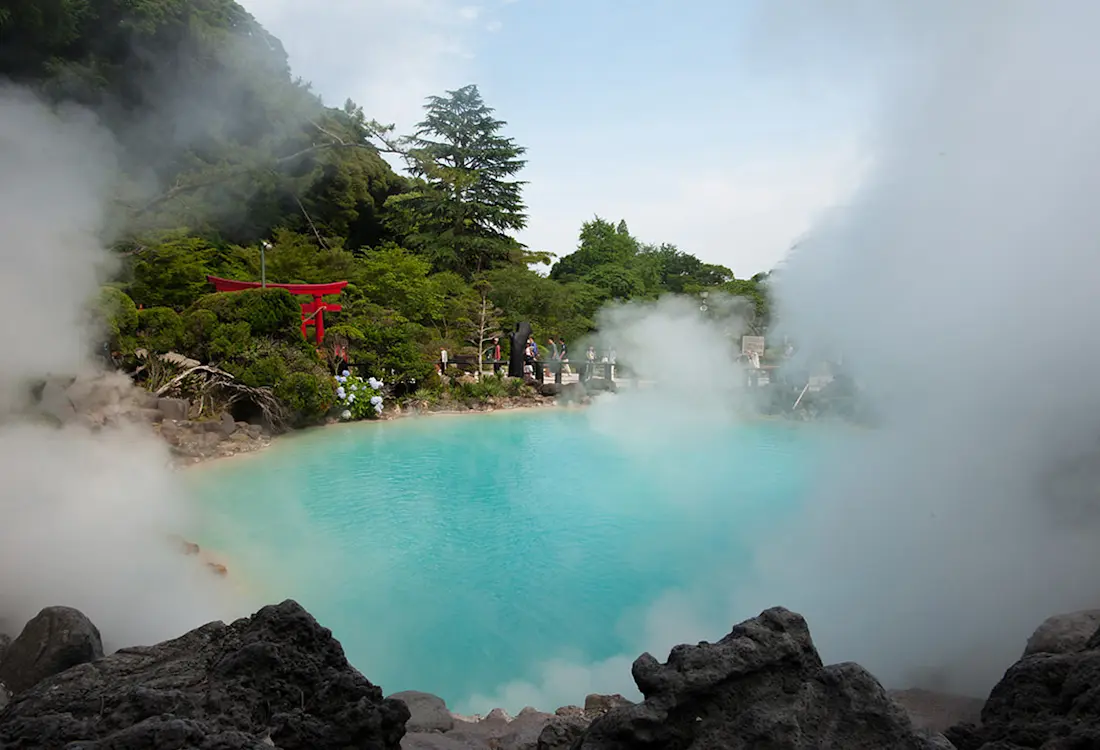
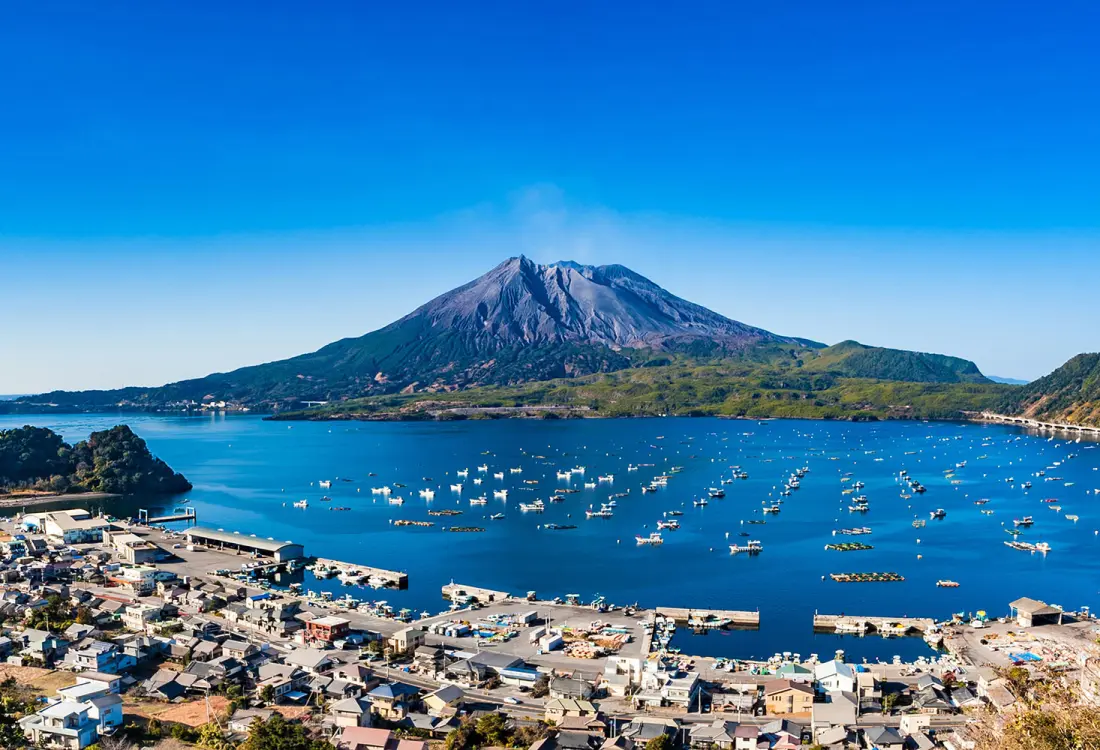
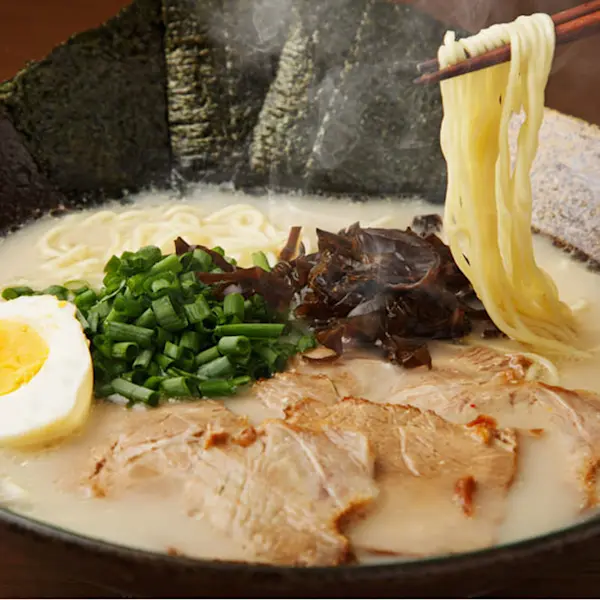
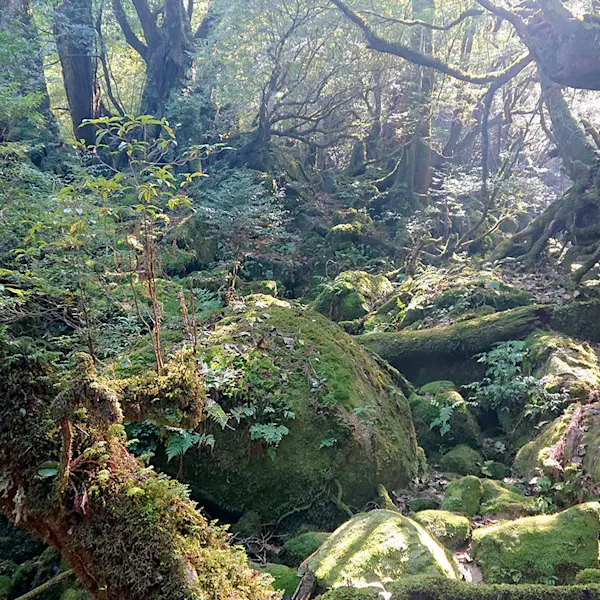
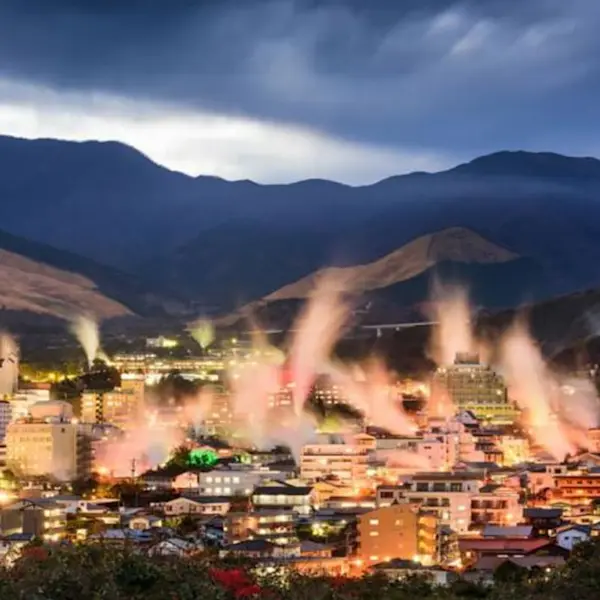
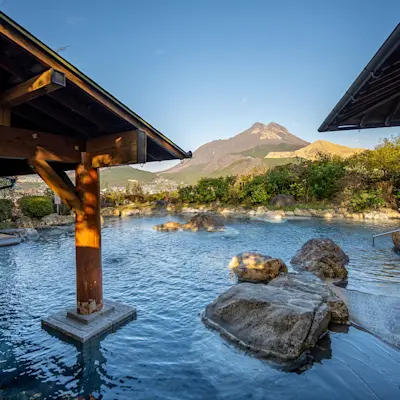
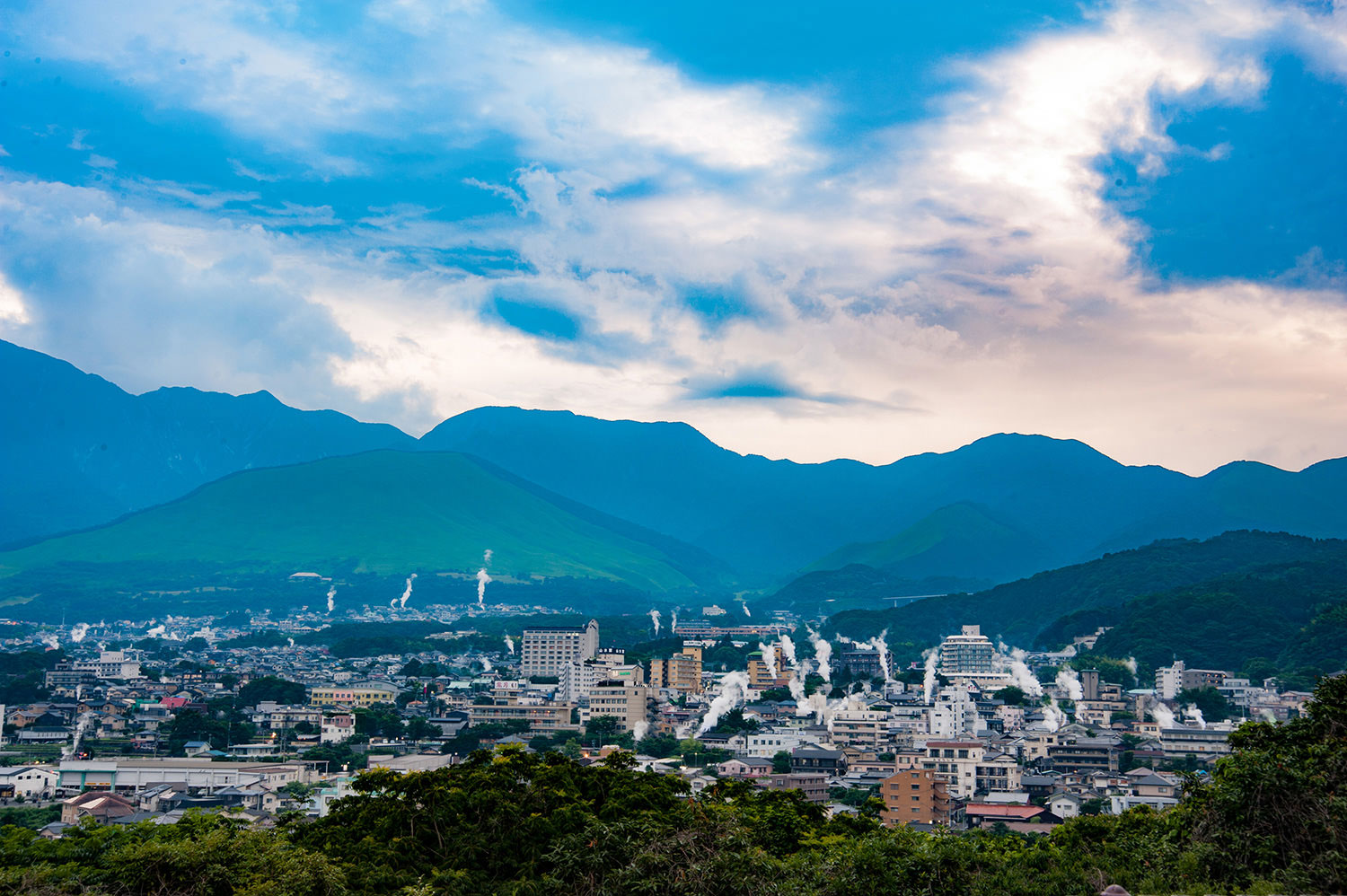
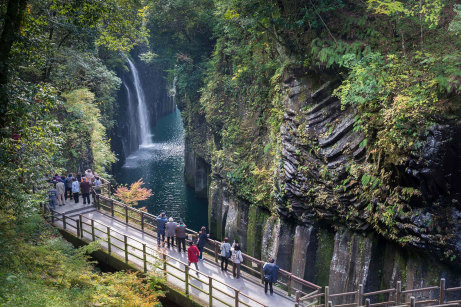
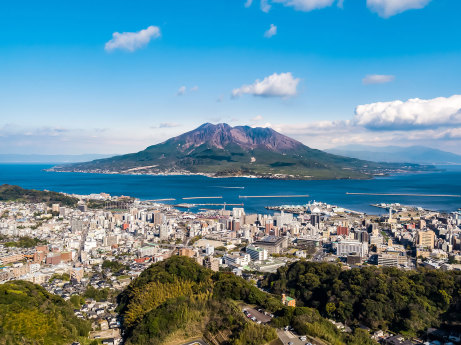
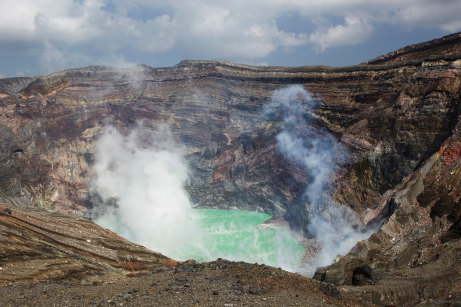
Kyushu, located at the southwest end of the Japanese archipelago, consists of the Kyushu mainland and the chain of Southwest Islands. The Kyushu region includes seven prefectures: Fukuoka, Saga, Nagasaki, Oita, Kumamoto, Miyazaki and Kagoshima. Blessed with the richness of nature and a warm climate, Kyushu accounts for approximately 10 percent of Japan’s GNP, and forms the fourth economic zone following the main metropolitan areas of Tokyo, Osaka and Nagoya, all of which are found on the main island of Honshu. The natural environment shows its complexity and remarkable diversity here. Gigantic caldera volcanoes line up one after another, and appropriately Kyushu is called “Land of Fire.” Here, too, are numerous hot springs. From the land, one can see that the Kyushu region is surrounded by the sea, including characteristic coastlines and various isolate islands. Kyushu is also blessed with a variety of foods and materials thanks to the abundance of nature, and the characteristic local dishes rooted in each area are unique and wide-ranging. Kyushu is a relatively inexpensive place, and that contributes to its attractiveness among tourists. The newly constructed Kyushu Shinkansen allows one to travel around Kyushu very conveniently, and further development is expected throughout the area.

Climate

City Jan Feb Mar Apr May Jun Jul Aug Sep Oct Nov Dec Average
Fukuoka 6.4 6.9 9.9 14.8 19.1 22.6 26.9 27.6 23.9 18.7 13.4 8.7 16.6
Seoul -2.6 -0.3 5.2 12.1 17.4 21.9 24.9 25.4 20.8 14.4 6.9 0.2 12.2
Beijing -4.6 -2.2 4.5 13.1 19.8 24 25.8 24.4 19.4 12.4 4.1 -2.7 11.5
Shanghai 3.5 4.6 8.3 14 18.8 23.3 27.8 27.7 23.6 18 12.3 6.2 15.7
Hong Kong 15.8 15.9 18.5 22.2 25.9 27.8 28.8 28.4 27.6 25.2 21.4 17.6 23
Taipei 15.3 15.7 17.7 21.6 24.8 27 29 28.8 27.1 24.1 20.7 17.2 21

Currency

The Japanese yen is used. You can exchange your currency into yen at any bank, as well as many hotels. However, it’s better to obtain Japanese yen prior to your visit.

Water

Softened water is popular in Japan. Water quality is relatively high, so there is no problem associated with drinking tap water. Basically, though, we do not recommend water straight from the tap.

Voltage

The electric current used in Japan is rated at 100 V. The type-A plug is used.

Language

It is very difficult to communicate in any language other than Japanese in most areas. English is to some extent accepted at hotels, particularly those that cater to foreign tourists.

Bathing in hot springs

You cannot bathe in a bathing suit. Pour bathwater gently over yourself before bathing. Do not bring and soak your towel in a hot spring. Do not wash yourself in it, either.