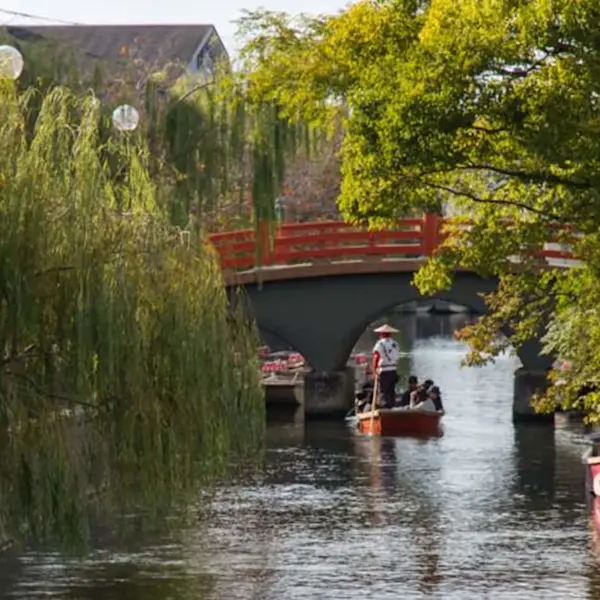
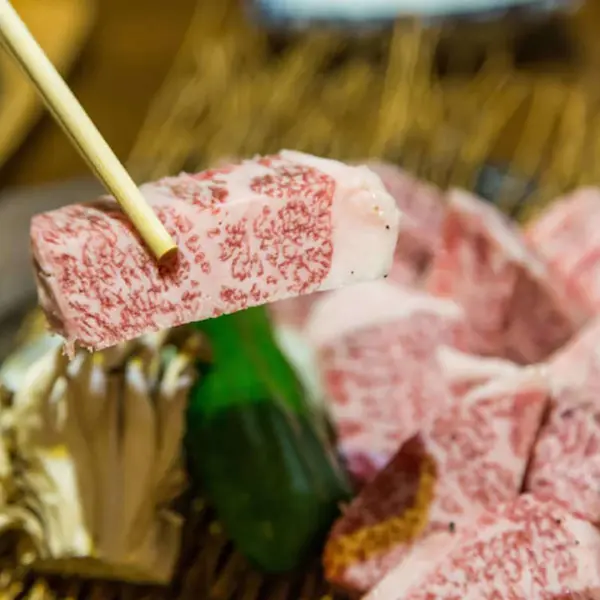
From Kumamoto Airport, we rode the high-speed bus and got off at the Kumamoto Bus Terminal. From there it was off to Kumamoto Castle... after stopping first at Kojouan under the Bus Terminal for smoked horse sashimi. This gourmet smoked sashimi, processed from fresh, tender raw meat, makes the perfect companion for drinks! It's appreciated as a gift as well.
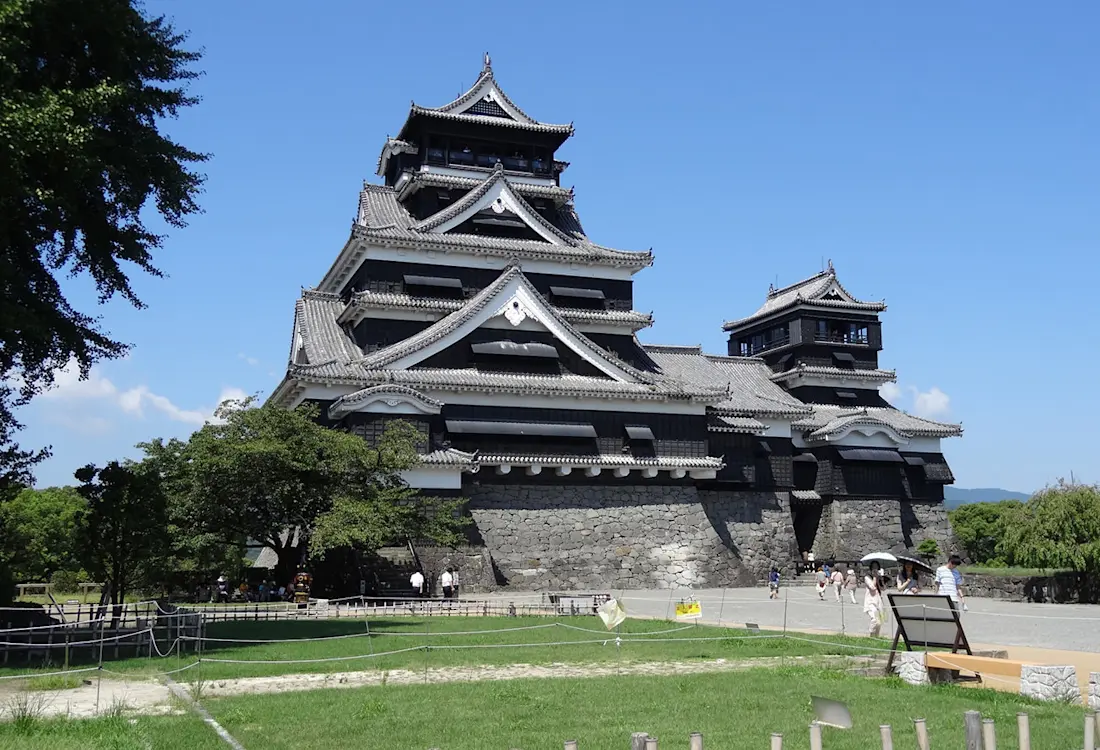
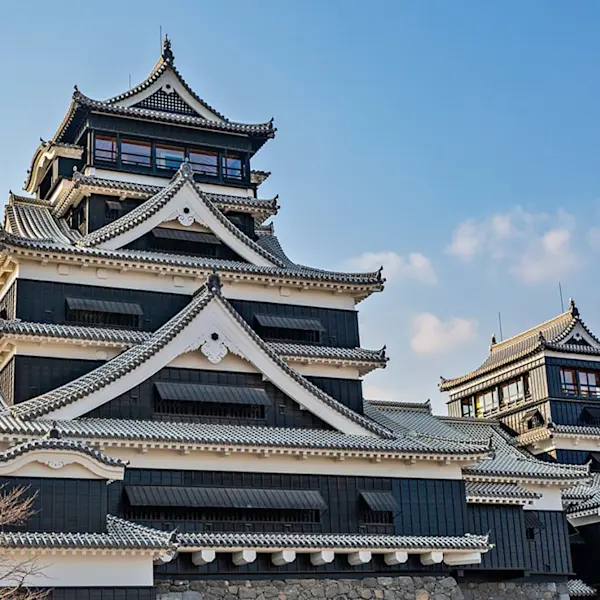
We next took the Kumamoto Castle tour bus "Shiromegurin" and got off at the Kumamoto Castle Ninomaru parking lot. Wow! There was Kumamoto Castle, looming before us! As we approached, the castle's size was overwhelming. Now that's what I call a castle! In the keep, materials are on display relating to the Kato and Hosokawa samurai clans and the famous Satsuma Rebellion. In addition, my child had a great time running around the expansive grounds of the castle.
After leaving Kumamoto Castle, we made our way through the vast Ninomaru Plaza while my child played hide-and-seek, and came next to Kyu-Hosokawa Gyobu-tei (former residence of Gyobu Hosokawa), to where that ruling clan had moved its residence. In this magnificent mansion, I got a sense of the splendor in which the high-ranking samurai of the time must have lived... The mansion was large enough to get lost inside! The gardens were beautifully landscaped as well, and time seemed to slip by slowly as we gazed relaxedly upon the greenery.
Next we were off to the old residence of Lafcadio Hearn. Known in Japan as Koizumi Yakumo, this was the famed author of tales including "Hoichi the Earless", "The Snow Woman", and "The Badger". The residence is said to be where Yakumo lived during his first year after taking a post in Kumamoto as an English teacher at the Fifth Higher Middle School (now Kumamoto University) during the Meiji period. Inside the home, panels and materials are on display, including the Buddhist altar where Yakumo clapped his hands daily in prayer. The home was full of atmosphere, somehow befitting the author of so many "kaidan" ghost tales.
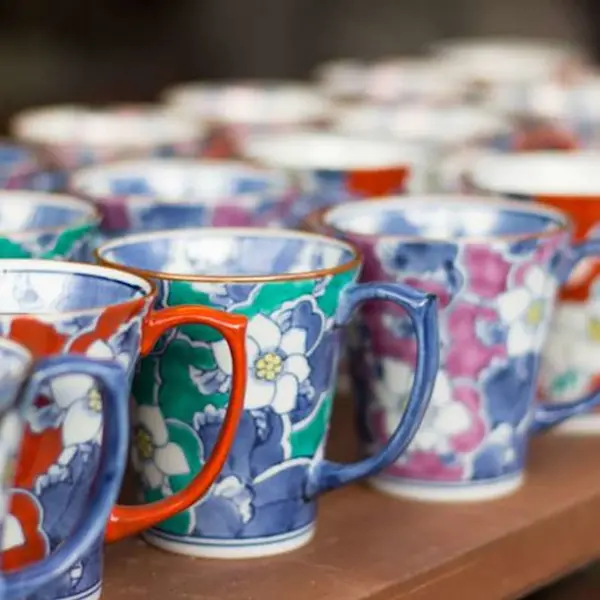
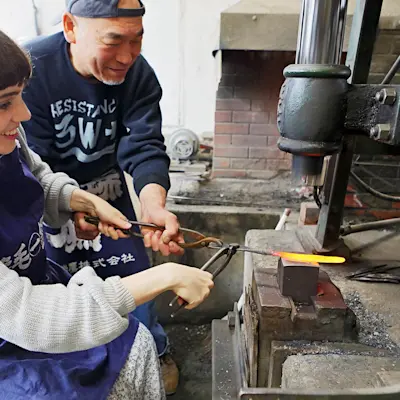
The Kumamoto Handicrafts Promotion Center is a place where you can try your own hand at making the region's traditional crafts. The classrooms are open every day, so no reservation is needed to start creating. On this trip, I decided to give the "higomari" decorative toy ball a try. My instructor, Yamaguma Sensei, is a crafter of higomari balls and patiently and kindly showed me what to do. While I struggled with the task for two hours, my husband and child took a stroll around the Kawashiri neighborhood. They seemed to quite enjoy the white-walled buildings. As for me, my hemp leaf-patterned higomari ball turned out quite the masterpiece (?). The classes can take school-age children, so I definitely want to come back when my child gets bigger!
Zuiyo Corporation sits adjacent to the Kumamoto City Handicrafts Promotion Center. The company produces a wide range of "shochu" distilled liquor, "sake" rice wine, and "akazake" red sake, all using ingredients from Kumamoto. Akazake has an auspicious red color that befits its popularity in Kumamoto as a drink to fete the new year and to enjoy at other celebrations. Its sweet flavor is popular with women. It can also be used in cooking, where its taste is said to improve at every step. I'll have to give that a try! There are many other drinks I'd like to taste, including "Ippon Yari" shochu made from 100% Kumamoto barley, plus the dry, flavorful "Akijuku". Sampling is allowed here, so it's easy to find a favorite.
The area around Kumamoto Castle is packed with tourist sites, so there were many more places we wanted to go. The Shiromegurin bus that plies the castle area departs every 30 minutes, and the SUNQ pass is a great deal that let us ride as much as we liked. Kawashiri, the area of Kumamoto with the Handicrafts Promotion Center and Zuiyo Corporation, was a wonderful town reminiscent of older times. Without question, Kumamoto really offers a lot to see!


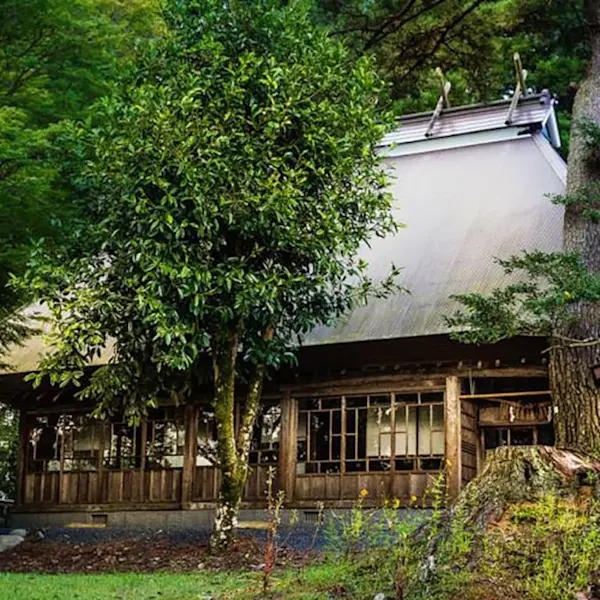
We traveled 30 minutes by the super high-speed ferry Ocean Arrow to Shimabara. The sea breeze aboard felt great, and my child was in high spirits. After disembarking, we traveled about 40 minutes by bus, getting off at the bus stop right in front of Unzen Jigoku. To enjoy our sightseeing in the "jigoku" (hell) of Unzen, we first stopped by the Unzen Shrine to say a prayer. Here you can try to find an unusual "komainu", one of the guardian dog statues seen at shrines; this one is protecting a pup!
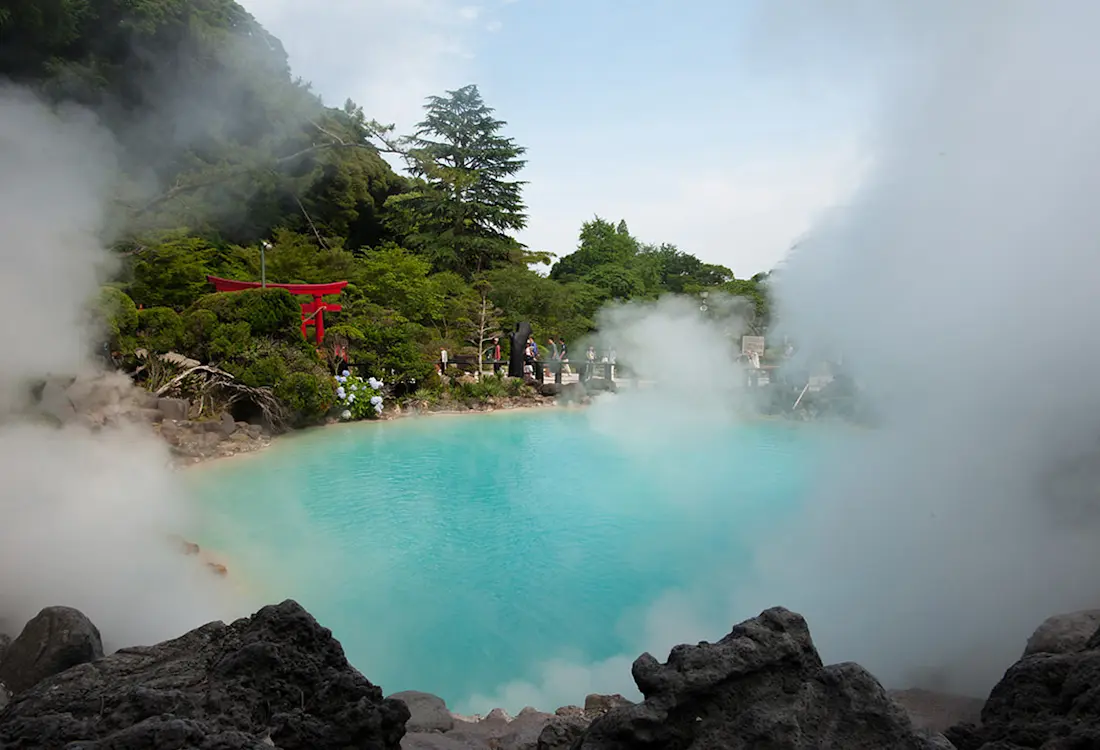
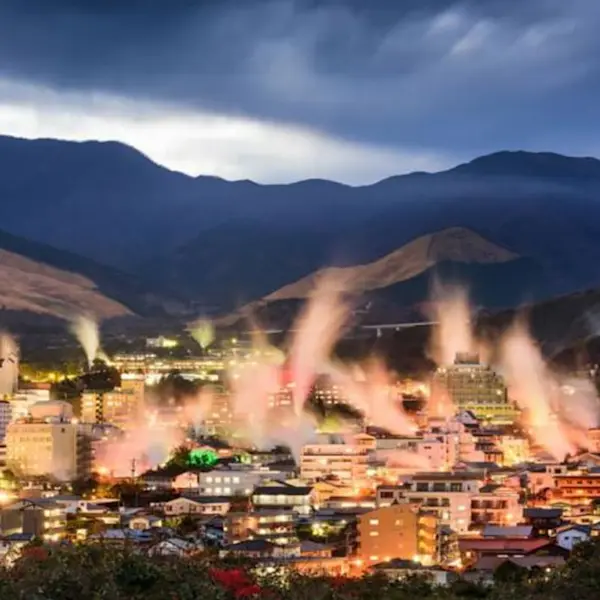
Visitors to this spot of "hell" can feel the activity of the earth in the bubbling mud and billowing steam. It's hell as far as the eye can see, a feeling enhanced by the distinctive scent. But my child seemed taken aback by the atmosphere. His face is stiff in the photos we took... While I scared him with warnings that "oni" demons were out there, we spent about 30 minutes taking in the many faces of "hell".
At Unzen Sakedokoro Taura close to the foot-bath plaza, we got our hands on the "Ai no Roman" sake (¥1238) said to have been enjoyed by none other than the famed Ryoma Sakamoto. This is a rare sake you can only buy here, and one that any of Ryoma's many fans will want to try. Mr Taura, the owner of the shop, also makes the novel "Castella Cider" drink for children himself; it's great as a souvenir! Mr Taura also shows off his skills with the unique "Unzen Dom Pérignon Pink" cocktail (¥300). It's not a bad way to wet your whistle after a tour of "hell"!
The Unzen Vidro Art Museum hosts a collection of about 300 19th-century glass works from around the world. Walking inside, we were greeted by breathtakingly beautiful works of art and ceramics. The size of the collection is impressive, and the antique glass worth seeing. One can get lost in the mystical glow of the glass. Should you give in to the allure of the artworks, you can try your own hand at glassblowing and create a souvenir of the visit. Making straps out of glass is a big hit with children. And if you work up a sweat while making glass, there's a spa house right next door to get refreshed!
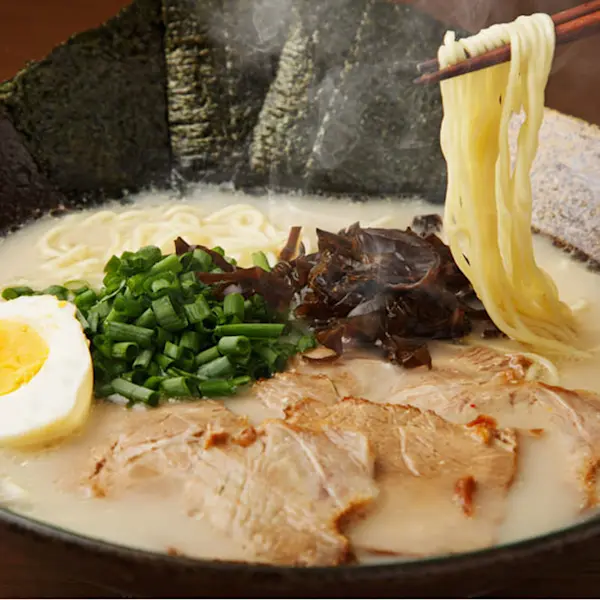
Hungry from so much walking, we headed to the Kinugasa Shokudo diner near Genseinuma. There we had the "Gane Chanpon" available nowhere else. "Gane" means "crab" in the local dialect, and "champon" is the famous local noodle dish of the region. We ordered right away... and were surprised at what arrived! A whole crab was resting atop the champon noodles! That sent the tension soaring. The dish's excellent taste was every bit a match for its appearance. The rich crab flavor of the soup blended deliciously with the noodles. This dish offers volume as well, but my child and I ate it all up. Other dishes created by the owner, Mr Seki, caught my attention, including the "Naba (mushroom) Champon". Unzen's famous "Gane Champon" is a must-eat!
What a nostalgic spot! The atmosphere of this candy shop really took me back... Candy with prizes, candy on strings, and other old-fashioned sweets packed the shop, entrancing both grown-ups and kids. Treats that are nostalgic to us adults are fresh and fascinating to children. What's more, the owner, Mr Sakai, has made the second floor a Toy Museum showcasing products sold in the shop from the Taisho period onward. It's filled with valuable toys rarely seen any more, much to the excitement of enthusiasts. This is a dream spot for kids and grown-ups alike!
With Unzen Jigoku in the background attesting to the grandeur of nature's actions, Unzen offers easy sightseeing with everything accessible within walking distance. There are all sorts of limited products only found here, so a leisurely stroll while chatting with the townspeople is highly recommended. Our Unzen trip was a friendly one for us adults and for our child alike.


Next we were off to Toyotamahime (Princess Toyotama) Shrine in the heart of the onsen (hot spring spa) district. The Princess Toyotama enshrined here is the famous princess of the Ryugu-jo undersea palace from mythology. She's loved as the goddess of beautiful skin, and the shrine is an encouragement to women praying for the same. Within the grounds is the "Catfish Shrine", where the Princess's catfish retainer is enshrined. It's said that a visit to this shrine will do wonders for your skin! That's something I've got to do, then. I paid my respects at the shrine, praying for the smooth, beautiful white skin of the catfish from the tale.
Youyou Plaza along the main street offers a foot bath that can be enjoyed any time for free. If you're tired from walking, take a break at this foot bath that sports the look of a natural stone bath. Ureshino Onsen is included among Japan's top three hot springs for beautiful skin, offering relaxation while it makes the feet smooth. The waters are said to improve blood circulation and relieve stiff shoulders as well. This is a spot you'll want to hit when you come to Ureshino Onsen.
Close to the Siebold foot bath, the Ide Syuzou brewery stands in the center of the onsen district. In front of the store is a monument to the poet Taneda Santoka, who is said to have loved the "Toranoko" sake brewed here. Every December to March, two generations of master brewers have prepared sake here using locally-grown rice. This flavorful sake with a sweet palate is delicious either cold or warmed. Sold in a white porcelain "tokkuri" bottle, it's a great souvenir gift as well. Tasting is okay too, so be sure to stop by!
Hizen Yumekaido is a historical-themed amusement park that kids love – it's a place where they can become ninja! Ninja training facilities abound. Friendly ninja are on hand to lead kids through practice with the bow, gun, shuriken-throwing, blowgun, and more. The whole family can have fun, with adults getting caught up in shuriken-throwing too. It's a place where kids become ninja and grown-ups become kids again. The buildings are also splendid, built from scratch by traditional palace carpenters and evoking a perfect atmosphere of old Edo. By the time we left, our child was a fine beginner ninja. Next time, our whole family will become ninja!
Ureshino Onsen is synonymous with "Ureshino Onsen yudofu". This yudofu (boiled tofu) dish is an exquisite gourmet pleasure, with its thick, soft texture and soybean sweetness. We could hardly leave without trying it, so we headed to the restaurant Shizu. When you order the onsen tofu set there, along with the yudofu comes "arakabu (rockfish) miso soup"! Its broth is delicious, as is the sweet-and-sour sauce that accents the yudofu. I heartily recommend you try the Ureshino Onsen yudofu, made of 100% Ureshino soybeans, along with the arakabu miso soup.
Strolling upstream along the Ureshino Riverwalk to walk off the meal, Todoroki no Taki Park comes into view. The park's waterfall plummets 11 meters down three steps, while walking paths and playground equipment make the park a great place for kids to play. A park with a waterfall? What a luxury! You can feel those negative ions from the waterfall while you have fun! That was our experience in Todoroki no Taki Park, a superb spot for relaxation.
On this first visit of ours to Ureshino Onsen, wandering through the historical hot springs district was a delight, with the skin-beautifying baths the most wonderful of all! Next time we want to again visit the shrines to wish for beautiful skin, and want to compare the different tastes of onsen yudofu at different shops. Also, we were thoroughly enchanted by the ninja at Hizen Yume-kaido. All in all, the more we experienced the depth of this spa town, the more we were fascinated.
![Kyushu Tourism Information [ Japan ]](/img/copy.gif)